
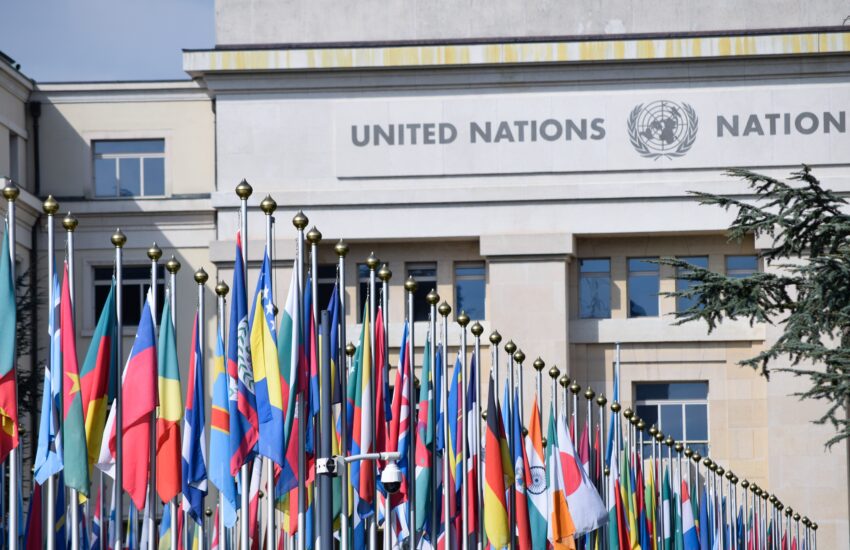
The fourth round of negotiations on the UN Framework Convention on International Tax Cooperation is approaching, with negotiators meeting in New York. When focusing on the Framework Convention itself—rather than on the two protocols—the progress achieved to date appears limited. The first draft, which attracted substantial criticism from a wide range of stakeholders, has only been marginally revised. Several of the key questions raised during earlier rounds therefore remain unanswered.
Most notably, the draft still lacks provisions on the institutional architecture of the Convention (the heart of any Framework Convention), including provisions on the Conference of the Parties and the Secretariat. In addition, the relationship between the Framework Convention and existing international agreements remains unclear, as does the question of how duplication with other international bodies is to be avoided. From the perspective of a neutral observer, it is particularly striking that the preparatory work under Workstream 1 remains underdeveloped. Neither are alternative policy options systematically assessed, nor are the various stakeholder inputs substantively engaged with.
While certain provisions of the first draft have been amended, these changes do not appear to consider the concerns raised during the negotiations. One notable exception relates to administrative assistance. Articles 9 and 10 have undergone more substantial revisions. In this respect, it is noteworthy that—at least concerning mutual administrative assistance—there appears to be an increasing alignment between the UN Framework Convention and the work of the Global Forum and the OECD. The revised Article 10 of the UNFCITC draft closely resembles Article 26 commonly found in bilateral tax treaties. As argued in earlier contributions, one might even consider integrating the Convention on Mutual Administrative Assistance in Tax Matters as a protocol to the UN Framework Convention. Such an approach could help reduce both duplication and legal uncertainty.
Overall, however, the changes are surprisingly limited given the breadth and intensity of the criticism voiced by participating states and observers. If negotiations continue along this trajectory, the prospect of reaching a meaningful agreement appears increasingly remote. At the same time, the current moment would appear particularly conducive to progress. Relations between the United States and other OECD Member Countries have become more strained, while international tax policy is increasingly shaped by considerations of realpolitik. A Framework Convention could provide a stable, long-term basis for future cooperation. Negotiators should also be mindful that global economic power is likely to shift significantly in the coming years – some major economic powers are not members of the OECD.
This short blog post therefore seeks to underscore the importance of the ongoing negotiations. The present process may represent the last opportunity for decades to place international tax cooperation on a new treaty-based foundation. This opportunity should not be missed.